

From Vision to Visibility: Learning Futures in Ōtautahi Christchurch
LEARNING FUTURES WORKSHOP 2026
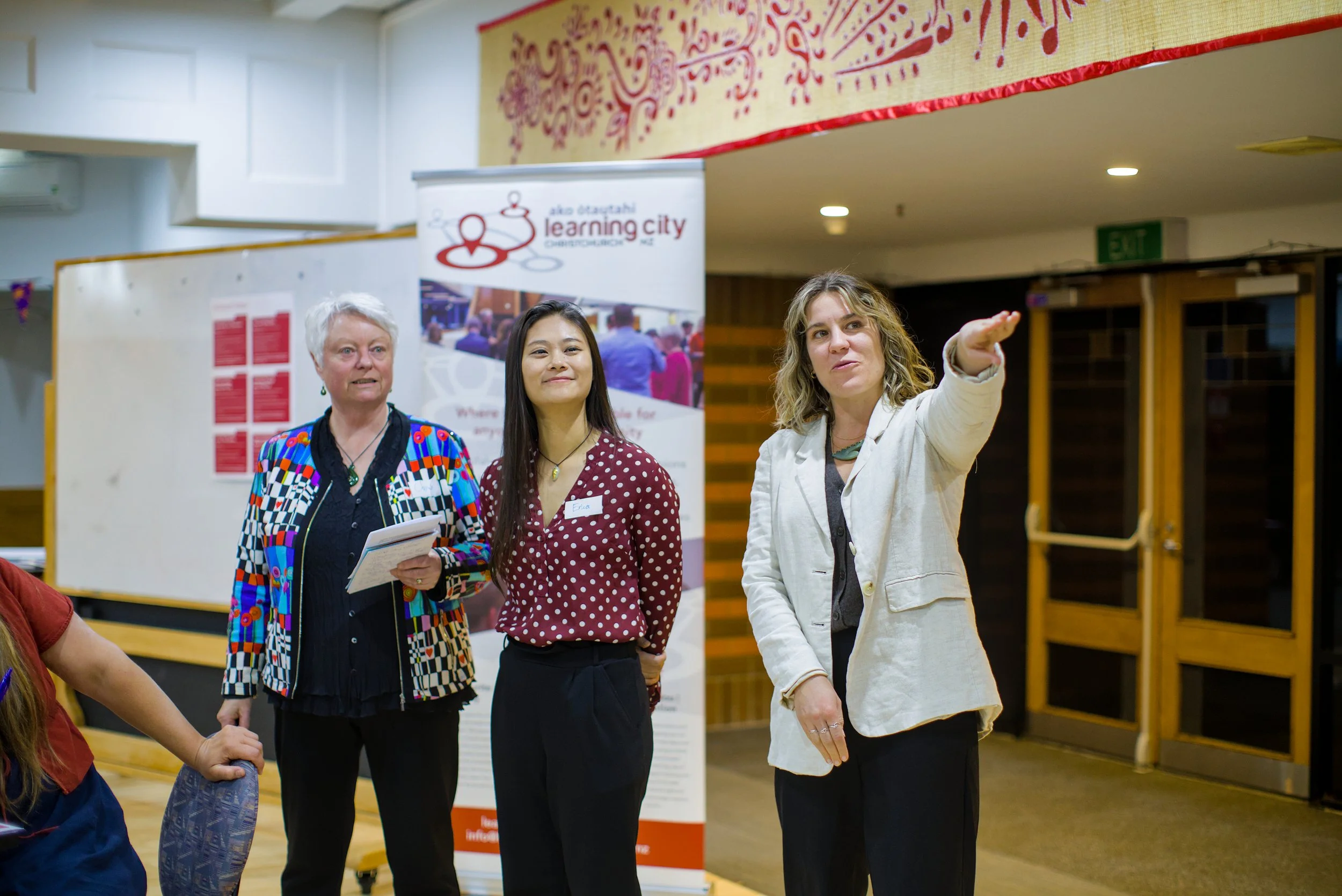
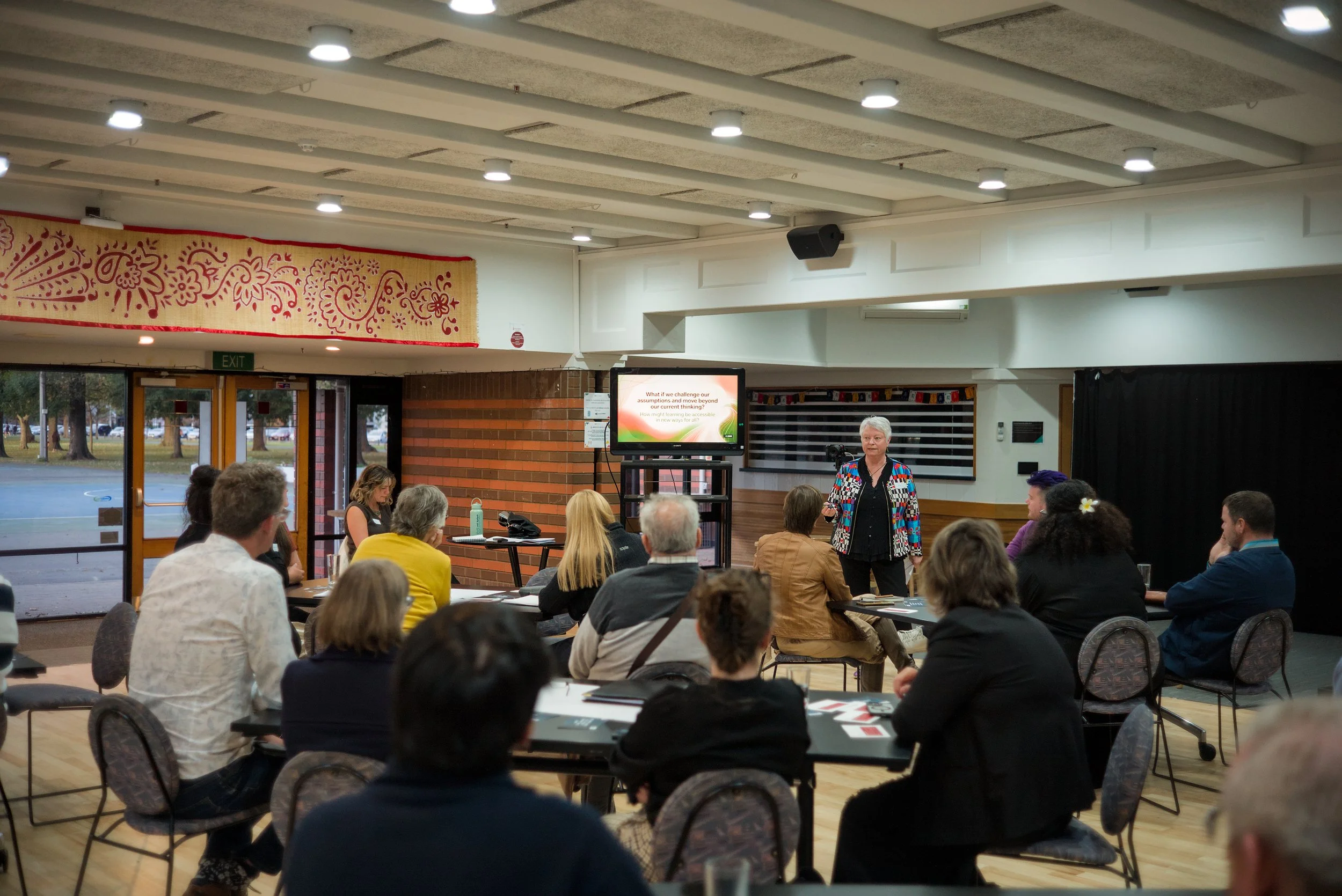
On Thursday 16 April 2026, Ako Ōtautahi Learning City Christchurch convened a group of 30 participants at the Multicultural Recreation and Community Centre in Ōtautahi Christchurch for a Learning City Futures Workshop. This interactive, futures-focused session brought together rangatahi, educators, community leaders, creatives, businesses, and systems-change practitioners to reconnect the learning ecosystem and explore the next steps toward becoming a thriving Learning City.
The workshop was designed as both a reflective and generative space - inviting participants to step back from day-to-day delivery and engage with longer-term questions about what learning could and should become in Ōtautahi. It created conditions for relational thinking, shared sense-making, and collective imagination across sectors that do not often sit in the same room.
Building on a 2024 Learning City conversation, “A Vision for Ōtautahi Christchurch as a Learning City,” the workshop revisited the central pātai: “What does a learning city look like in 2050?” The 2024 process led to the development of a manifesto guiding the mahi of AŌLCC, alongside a set of actionable outcomes that formed an early roadmap toward realising the vision of Ōtautahi as a globally recognised learning city. Since then, this work has moved from vision-setting into activation - including sharing city learning stories, building capability for organisations to tell their own learning narratives, and developing a coordinated city-wide learning calendar.
The 2026 Learning Futures workshop marked a shift from articulation to activation. Participants reflected on what has changed since the original visioning work, surfaced emerging signals of change across the city, and identified where momentum is already building in the learning ecosystem. There was a strong emphasis on noticing what is already alive in the system - the informal networks, community-led initiatives, and cross-sector collaborations that are often under-recognised but critical to a thriving learning city.
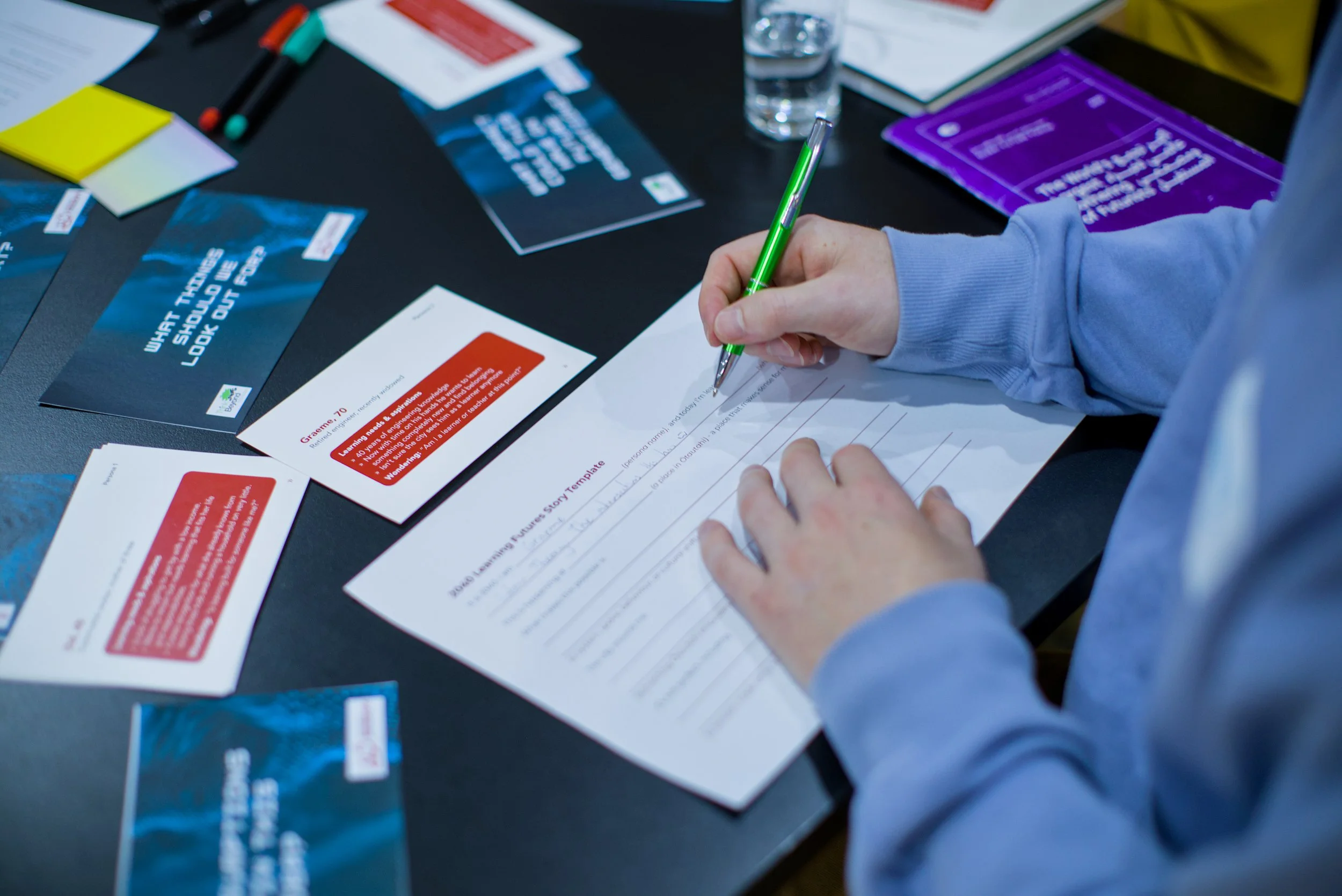
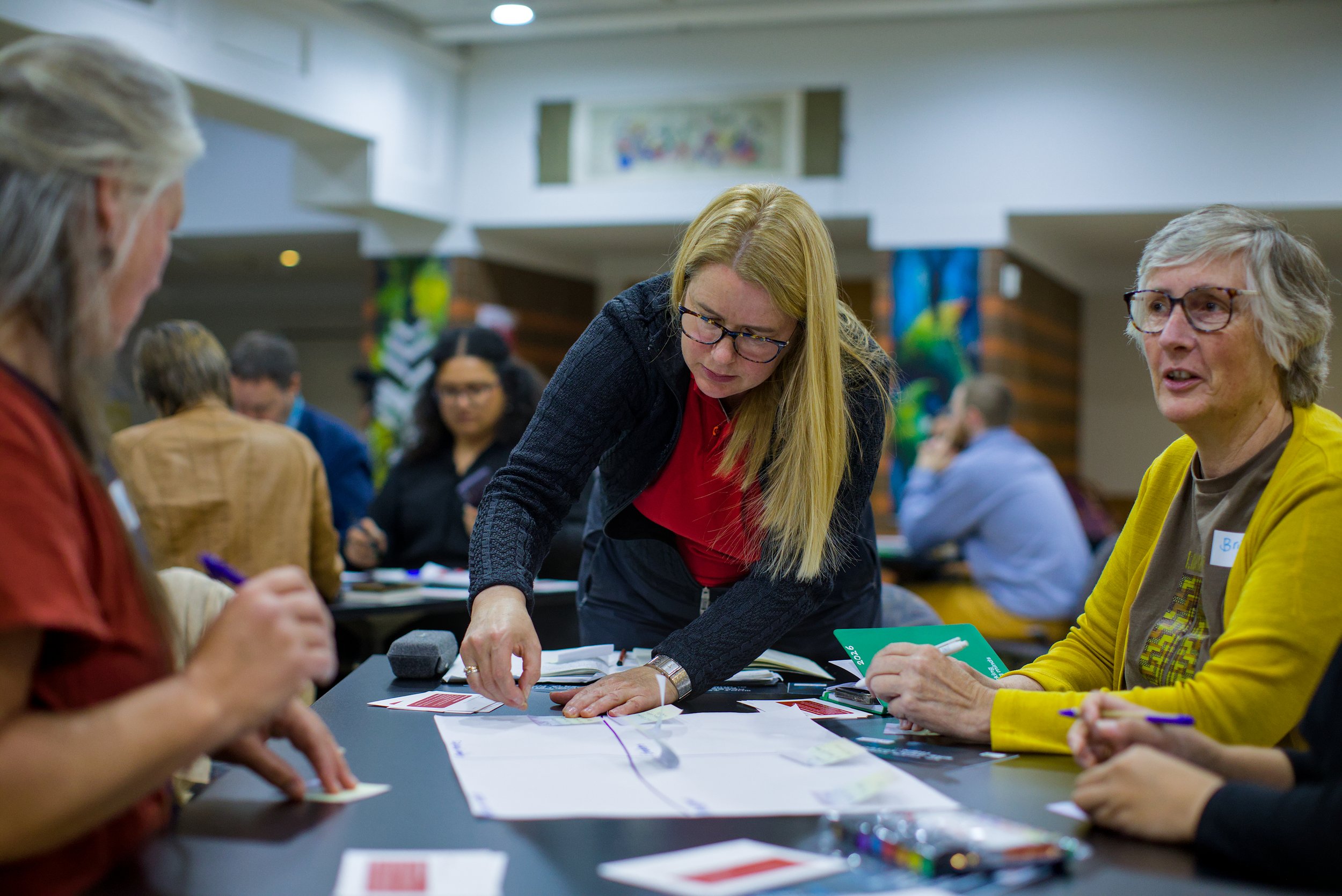
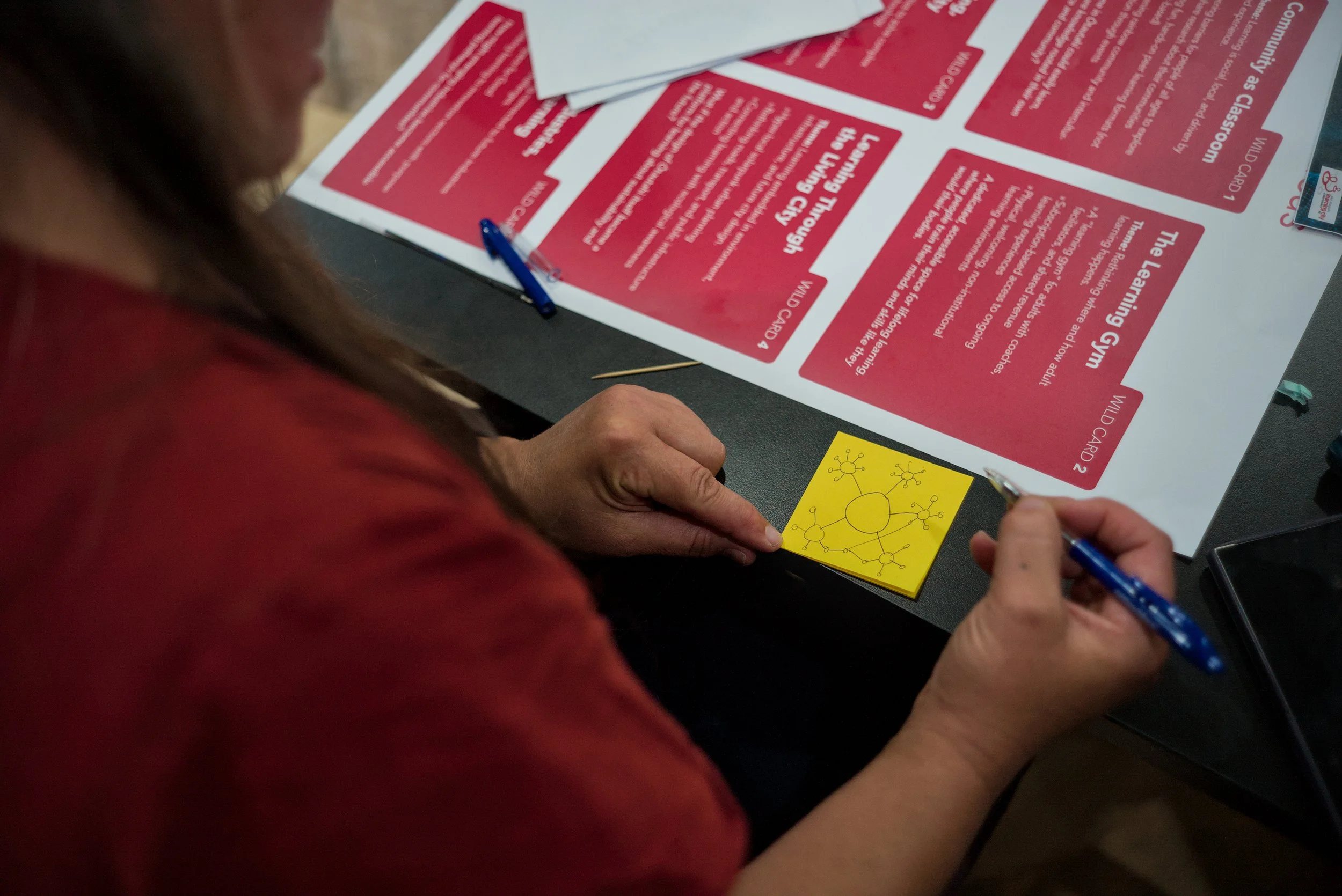
Using futures-informed methods, participants then moved from reflection into prototyping. Small groups worked together to explore practical, near-future interventions that could help make learning more visible, connected, and celebrated across Ōtautahi Christchurch. Ideas were tested not as fixed solutions, but as living prototypes — designed to be iterated, shared, and grown in partnership with the wider ecosystem.
Click below to read the full Report, 2040 Stories and Risk Matrix

KEY THEMES AND NEEDS
Several key themes emerged across conversations:
Learning is Already Everywhere - But Often Invisible: Participants recognised that learning is embedded in
communities, workplaces, and everyday experiences, yet remains under-recognised and under-celebrated.
Desire for Greater Connection: There is a strong appetite for more connected learning pathways, networks, and
opportunities that bridge sectors and communities.
Community-Led Learning is Critical: Learning grounded in lived experience, culture, and community contexts is seen
as essential to relevance and engagement.
Need for Enabling Infrastructure
Participants identified the need for:
Physical spaces
Digital platforms
Recognition systems that support and amplify learning.
Storytelling as a Lever for Change
Stories were identified as a powerful tool to make learning visible, build belonging, and inspire participation.
WHAT EMERGED
Across the workshop, several key insights stood out:
There is strong momentum and energy within the ecosystem
Learning is already happening - the opportunity is to make it visible and connected
Community ownership and participation are essential
Small, intentional experiments can catalyse broader systems change
Futures thinking enables new ways of seeing and acting
Actions for the City (Ecosystem-Level)
1. Make Learning Visible in Public Life
Integrate learning into public spaces (libraries, transport hubs, parks, events)
Use signage, storytelling, and digital platforms to highlight “learning moments” across the city
2. Recognise and Celebrate Learning Broadly
Support a city-wide approach to recognising informal, cultural, and community-based learning
Back initiatives like a Learning City Awards programme
3. Strengthen Cross-Sector Collaboration
Create more intentional spaces for education, community, business, and civic sectors to collaborate
Encourage shared ownership of learning initiatives
4. Invest in Access and Equity
Reduce barriers to participation (cost, location, language, digital access)
Prioritise underserved communities and culturally responsive approaches
5. Support Community-Led Innovation
Enable grassroots ideas (like wild cards) to be tested through micro-funding, partnerships, or pilot programmes
Value experimentation alongside scale
This workshop was guided by the indigenous social innovation framework Te Korekoreka embracing the space of potential, emergence, and not yet knowing) and was made possible through collective effort, shared vision, and ongoing collaboration.
Thank you to all participants and facilitators who contributed their time, whakaaro, and energy to this workshop, helping to shape what is possible for the future of learning in Ōtautahi Christchurch.
Thank you to our contributors:
Regina Speer, Designer, Citizens of the World Design LtD
Jonny Knopp, Photographer, Peanut Productions Photography
Kai J. Lee, Videographer, Subtledream Productions
Carina Spliid Nielsen, Storytelling Assistant
Ngā mihi nui to our core funders Christchurch City Council and Rātā Foundation, and to our event partners Pub Charity, Think Beyond and Next Generation Foresight Practitioners (NGFP).
